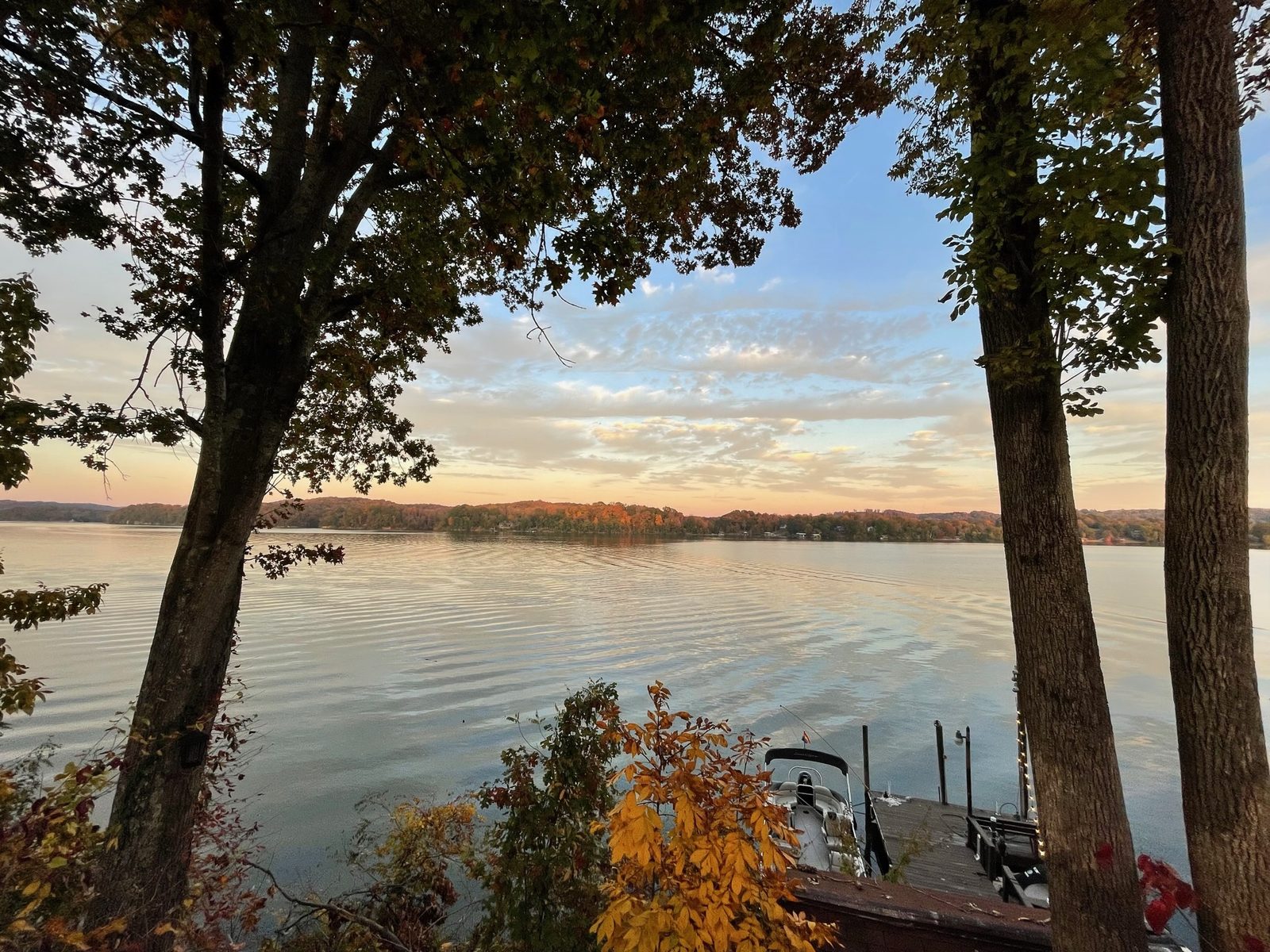
Short answer: Public lakefront parks with shoreline access are the standard shore-fishing spots on Watts Bar. A worm under a bobber catches bluegill at any of them. Bring a TWRA license and check the park's specific rules.
Find a public lakefront park: Tom Fuller (Rockwood), Caney Creek Recreation Area, Kingston Waterfront, TVA Dam Reservation.
A worm under a bobber catches bluegill from any of them.
A bottom rig with cut bait catches catfish.
Dawn and dusk are the best windows. Bring a TWRA license (anyone 13+).
Shore fishing on Watts Bar is most accessible at public lakefront parks. The waterfront at Kingston, the parks around Caney Creek, and TVA's day-use areas all have shoreline you can fish from. None of it requires a boat. None of it requires expensive tackle. A $35 spinning combo and a container of nightcrawlers covers most of what catches fish from a bank.
The species that come to a bank-fishing setup on Watts Bar include bluegill (the easy catch most of the year), channel catfish (most reliable summer through fall), crappie (spring at brushy banks), and largemouth bass (early morning and evening near cover). Smallmouth and stripers are mostly boat fish here; chasing them from shore is possible but a low-percentage move.
Bank-fishing technique on a stained lake
Watts Bar runs from clearer at the lower forebay to genuinely stained up the river arms, and the whole lake stains for several days after a hard rain. TVA's most recent reservoir health report rates chlorophyll as fair to poor at both the forebay and mid-reservoir monitoring stations. In water this color, fish find your bait by vibration and smell more than by sight.
What that means at the bank: live bait beats artificials, bright colors beat natural ones, slow retrieves beat fast ones, and getting tight to cover (a dock pole, a fallen tree, a stretch of riprap) beats fan-casting open water. A worm under a bobber three feet from a dock post outfishes a $20 plastic worm every time.
The basic bank rig
Two setups handle most of what bites from the bank.
Bobber rig for bluegill, crappie, and small bass. A red-and-white plastic bobber, a #6 long-shank Aberdeen hook 18 inches below it, a single split shot between the bobber and the hook. Bait with half a nightcrawler, a cricket, or a small minnow. Cast next to a dock post, a laydown, or any visible cover. Watch the bobber. When it goes under, lift the rod sharply.
Bottom rig for catfish. A 1-ounce egg sinker on the main line, a small bead, a swivel, then 18 inches of leader to a #2 or 1/0 circle hook. Bait with cut shad, chicken liver, a chunk of hot dog, or a punch bait dough. Cast it out, prop the rod, and wait. Channel cats find the bait by smell and current.
Where to actually go
The four parks listed below are the standard public access points with real shoreline you can fish without trespassing. Tom Fuller Park in Rockwood has the longest fishing dock on the lake. Kingston Waterfront Park has bank access along the Tennessee and Clinch confluence. Caney Creek Recreation Area has lake-edge picnic tables and a quiet creek arm. TVA's Watts Bar Dam Reservation on the Decatur side has a swim beach, a ramp, and shoreline you can fish from.
Time of day
Bank fishing on Watts Bar is best in the first two hours after sunrise and the last two hours before sunset. Fish move shallow at low light to feed and pull off the banks during bright midday sun, especially in summer. If you can only fish at midday, pick a shaded bank, a deep-water dock, or a bluff line where shadows fall on the water.
What to bring
A 6 or 7 foot light or medium-light spinning combo, pre-spooled. The Ugly Stik GX2 is the standard cheap-and-durable pick. Roughly $35 at any local bait shop or big-box store.
Do I need a license to fish from shore on Watts Bar?
Yes. TWRA fishing licenses are required for any fishing in Tennessee public waters, including from shore. Anyone 13 or older needs a license; kids under 13 fish free. A one-day license is $1. See the fishing license guide for where to buy.
What's the easiest fish to catch from a Watts Bar bank?
Bluegill, by a wide margin. From late April through June they spawn in colonies in five to ten feet of water. The rest of the year they hold around docks, laydowns, and shaded banks. A worm under a bobber three feet from a dock post catches them.
Can I keep what I catch?
Bluegill are fine to eat. The TWRA and TDEC discourage eating bottom-feeding fish from the Watts Bar Dam to Fort Loudoun Dam stretch of the Tennessee River. Check the current TDEC advisory list before keeping catfish, striped bass, or hybrid striped-white bass.